
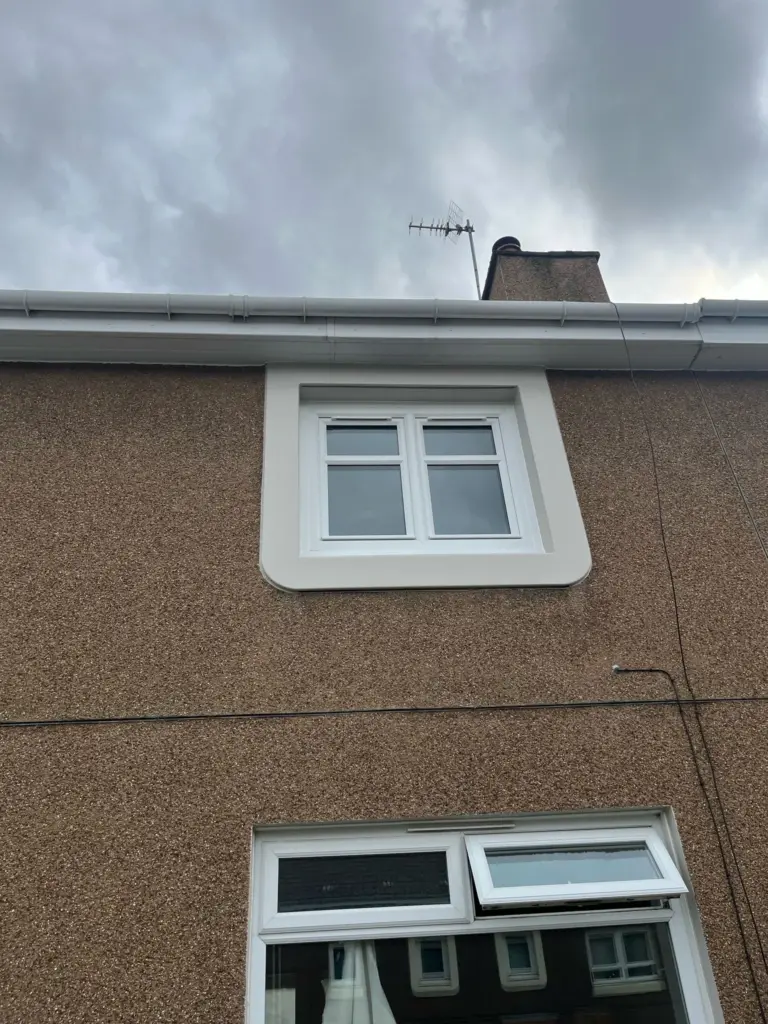
For most Glasgow houses, casement windows are the simpler all-round choice. Tilt-and-turn windows become especially useful in flats, upper-storey rooms and spaces where inward opening makes cleaning easier. The right answer depends less on which style is “best” and more on how you need each window to open, ventilate and fit around the room.
The difference in one minute
| Decision point | Casement window | Tilt-and-turn window |
|---|---|---|
| Normal opening | Usually opens outwards from a side or top hinge | Tilts inward at the top or swings fully inward |
| Cleaning the outside | May require external access | Full inward opening can make access easier |
| Room clearance | Does not swing into the room | Needs clear internal space for full opening |
| Visual style | Flexible layouts with fixed and opening panes | Often larger opening sashes with a more functional appearance |
| Good fit for | Houses and rooms where outward opening is practical | Flats, upper floors and rooms prioritising controlled opening and cleaning access |
Choose casement windows when layout flexibility matters
A uPVC casement window can combine fixed lights with side-hung or top-hung openers. That makes it easier to design around the proportions of a typical house, the furniture inside and the amount of ventilation wanted in each room. Because the sash normally opens outwards, it also avoids taking up internal space.
The trade-off is access. On an upper floor, the outer glass may be less convenient to reach. Outward-opening sashes also need suitable external clearance, so nearby walls, downpipes or restricted access should be checked during the survey.
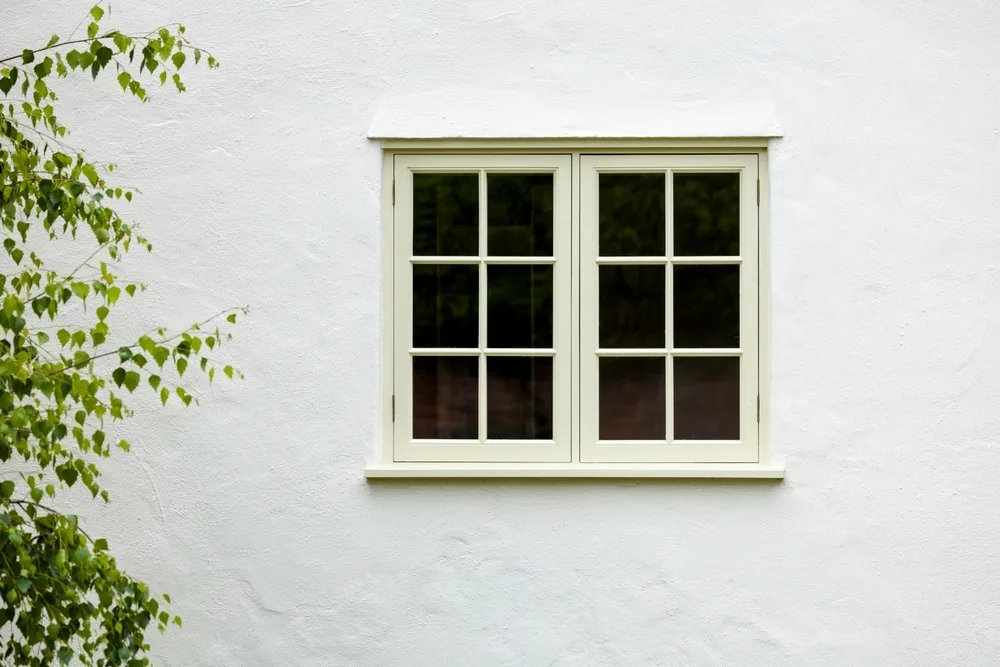
Choose tilt-and-turn when access drives the decision
A tilt-and-turn window uses one sash in two ways. The tilt position opens the top inward for a restricted opening; the turn position allows the sash to swing inward. That second mode can make cleaning more manageable where safe external access is difficult. Our guide to tilt-and-turn windows in Glasgow flats explores that use case in more detail.
Check the room before deciding. A full inward-opening sash needs space around blinds, curtains, taps, deep window boards and furniture. Tilt mode is useful, but it should not automatically be treated as satisfying every ventilation or safety requirement. The project must still be assessed against current Scottish building standards guidance.
What about appearance and planning?
Casement windows tend to offer more freedom to echo an existing pattern of mullions, transoms and smaller opening lights. Tilt-and-turn windows can still be configured carefully, but their larger opening sash may change the elevation more noticeably. Neither style is automatically acceptable for every property.
If the building is listed, in a conservation area or subject to other controls, check before ordering. Glasgow City Council publishes specific window-replacement guidance, while the Scottish Government explains the limits of householder permitted development rights. Our separate guide covers permission for replacement windows in Glasgow.
A room-by-room decision is usually better
Ask the surveyor to demonstrate both opening actions at the proposed size. A small sample does not show how far a full-sized sash will project into a room, how high the handle will sit or whether the outer glass will genuinely be reachable. The written elevation should identify fixed panes, opening panes, handle positions and any restrictors so that everyone is pricing the same design.
You do not necessarily need the same opening style everywhere. Casements may suit ground-floor living spaces, while tilt-and-turn windows may solve access or cleaning problems upstairs. Consider the opening direction, internal and external clearance, desired ventilation, appearance and safe access for every opening.
For a broader overview before comparing styles, read our guide to uPVC windows for Glasgow homes. You can also see how the parent company approaches uPVC window installation. Energy Saving Trust’s independent windows and doors guidance is useful when glazing and heat loss are part of the decision.