
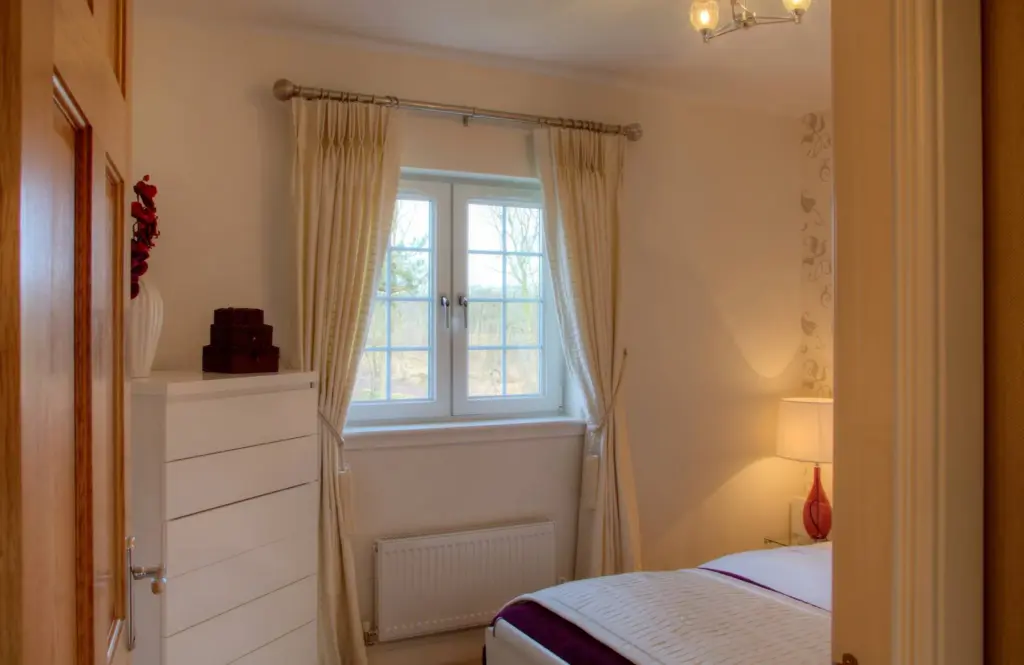
Choosing between double and triple glazing is not simply a matter of adding another pane. For a Glasgow home, the right decision depends on the existing windows, the room, the frame design, ventilation and the whole quotation. This guide explains what changes and what to ask before choosing.
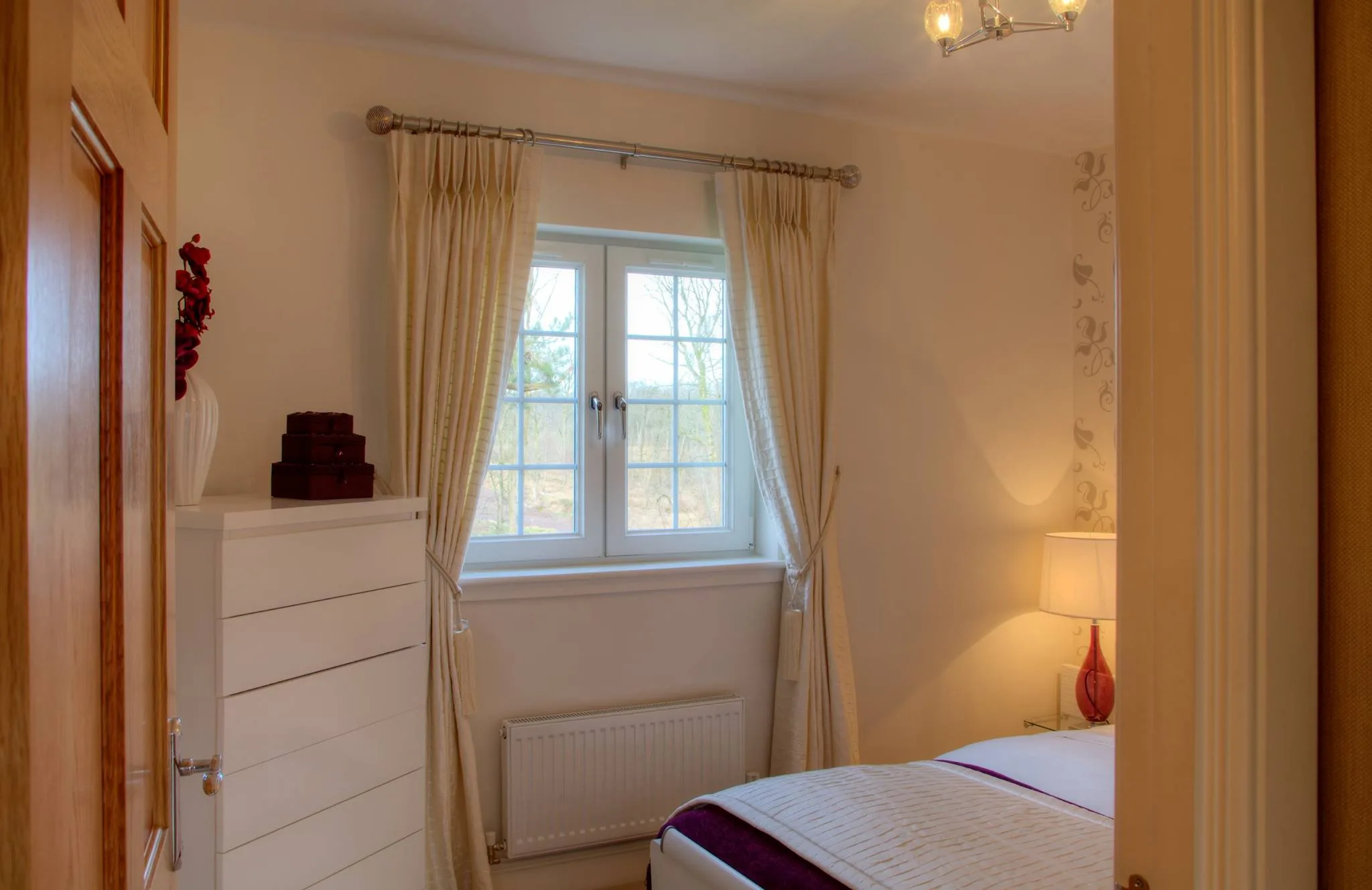
What double and triple glazing mean
Double glazing has two panes separated by a sealed space; triple glazing has three. The sealed cavities and the coatings, gas fill, spacer and frame all affect the performance of the finished window. A glass-only figure is not directly comparable with the U-value of a complete window, so ask whether a quotation describes the centre pane or the whole unit. The Energy Saving Trust explains the main window energy-rating principles in its windows and doors guidance.
Where triple glazing can make sense
Triple glazing can be worth investigating where a room feels cold beside the glass, where a large glazed elevation is exposed to Glasgow weather, or where you want to compare a higher-specification option during a full replacement. It is also a useful question for bedrooms and living rooms facing a busy road, although glazing alone cannot promise to remove outside noise.
When double glazing may be the better fit
Good double glazing remains a practical choice for many homes. It may suit a replacement where the existing frames, opening sizes, ventilation strategy and budget all point to a balanced specification. In a tenement or flat, the survey also needs to consider access, communal areas, opening restrictions and the appearance of the elevation. A higher pane count does not remove those checks.
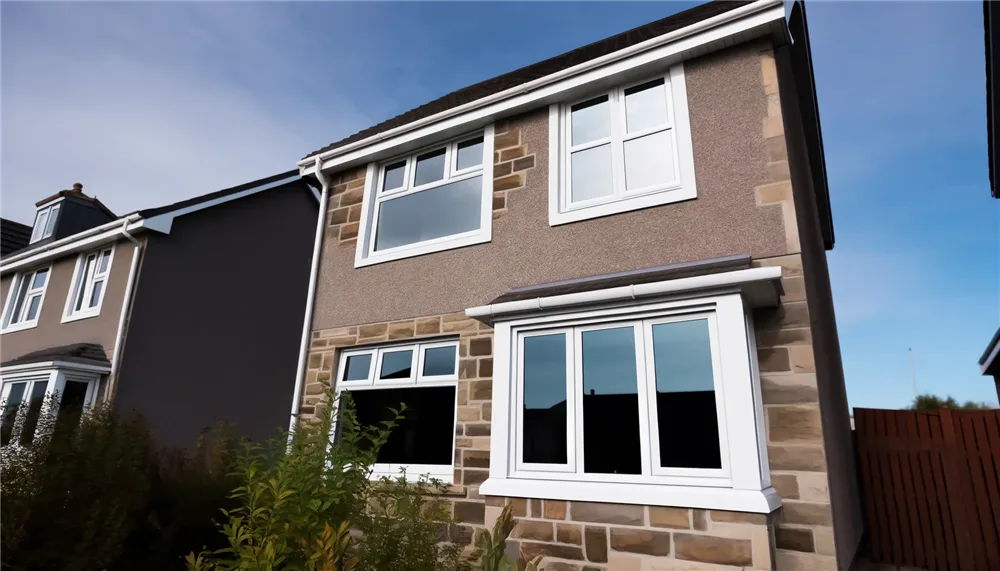
Ask about the complete window, not just the glass
- Is the stated U-value for the complete window and frame?
- Which opening style and frame material are included?
- How will trickle ventilation, extraction and moisture be managed?
- Does the specification suit the existing opening and any conservation-area checks?
- What survey findings could change the quotation?
Compare like with like: pane arrangement, window dimensions, opening furniture, glass specification, installation scope, making good and disposal should all be clear. Our double glazing guide and triple glazing guide explain the available configurations. If you are still choosing the room layout, see our casement window guide.
Do not treat a glazing upgrade as a guaranteed bill saving
Energy use depends on the whole dwelling: existing windows, walls, roof, heating controls, ventilation and household behaviour all matter. A quote should explain the proposed improvement without promising a fixed saving or payback period. If condensation is the concern, identify the moisture source and ventilation first rather than assuming another pane will solve it.
Our Glasgow survey approach
We start by looking at the opening, room use, access, existing frame and the specification you want to compare. We can then explain uPVC double- and triple-glazed options, subject to the property and any planning constraints. For a parent-company installation example, see Clyde Windows & Construction’s terraced-house project. A survey is the point to ask questions before committing to a window order.