
Tilt and turn windows can be a practical choice for Glasgow flats because they provide two inward-opening modes in one uPVC frame. That flexibility does not make them right for every opening. Internal space, ventilation, safety, cleaning access and the building’s external appearance all need to be considered before you choose them.
How Tilt and Turn Windows Open
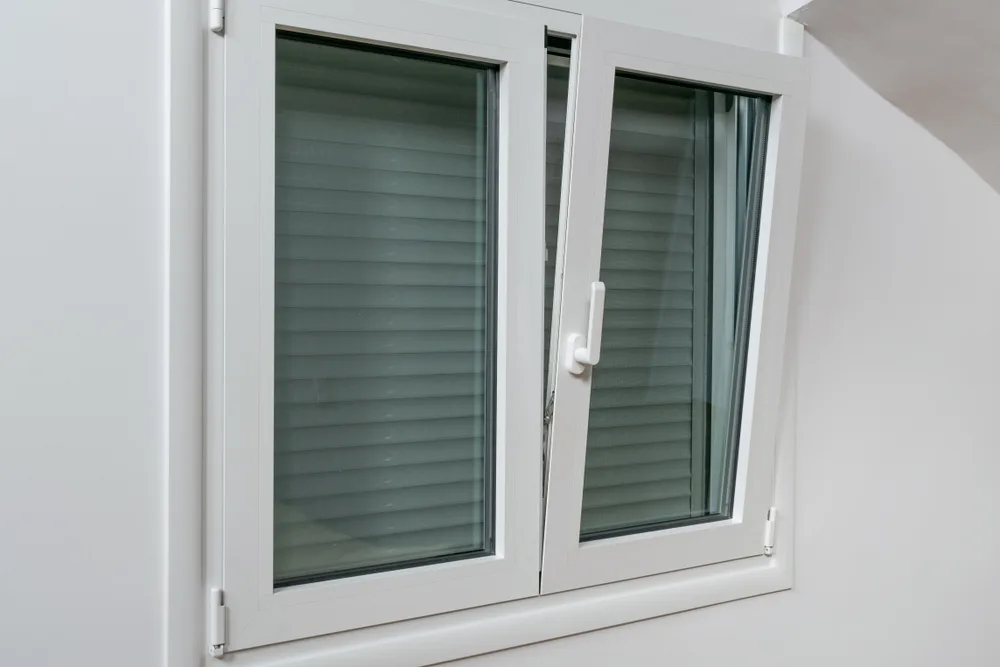
With the handle in one position, the top of the sash tilts inward to create a restricted ventilation opening. In the other opening mode, the sash turns inward on side hinges to provide much wider access. The handle must be used in the correct sequence, and the sash should be fully closed before changing modes.
This differs from a typical casement window, which usually opens outward on side or top hinges. The inward movement is the defining feature: it can make cleaning easier from inside, but it also means the room needs clear space for the sash.
Why They Can Work Well in Flats
External glass can be difficult to reach safely in an upper-floor flat. When a tilt and turn sash opens fully inward, both sides of the glass are accessible from the room without leaning outside. That is a useful day-to-day advantage, especially where an outward-opening window would sit above a pavement, shared garden or inaccessible drop.
The tilt mode also provides a smaller opening for background ventilation. It should not be described as burglar-proof or safe in every circumstance simply because the gap is smaller. Security depends on the tested window system and hardware, while child safety depends on the room, opening, furniture and any appropriate restrictor. Treat the tilt position as an open window.
Check the Space Inside the Room
A fully turned sash needs room to swing inward. Deep window boards, taps, furniture, blinds and curtain poles can obstruct it. In a compact room, a wide sash may be awkward even when the opening itself can accommodate the frame. Survey the operating arc, not just the brick opening.
The weight and proportions of the sash also influence how the window feels in use. A sensible design may divide a broad opening into fixed and opening sections rather than using one oversized sash. That decision changes the view, sightlines and ventilation, so it should be shown clearly on the quotation.
Ventilation Still Needs a Whole-Room Plan
The tilt function is useful, but an openable window is only one part of ventilation. Scottish Government domestic building-standards guidance explains that homes need planned ventilation to protect indoor air quality and manage pollutants and water vapour. Existing extract fans, trickle ventilators and the intended use of the room should all be considered.
Ask how much free opening the proposed configuration provides and how it fits the ventilation strategy. Do not assume that leaving a window tilted all day is the only answer to condensation. Heating, moisture production, extraction and air movement can all affect surface condensation.
Do Not Assume It Is an Escape Window
A fully turned sash can create a large opening, but “opens wide” and “meets escape-window requirements” are not interchangeable. The current Scottish domestic building standards specify matters such as clear openable area, minimum dimensions, height above the floor and the storeys where escape-window guidance applies. The correct design depends on the room and the wider escape strategy.
If an existing bedroom window contributes to escape, tell the surveyor before changing its layout. Ask for written confirmation that the proposed opening and any restrictor are compatible with the applicable requirements. This is especially important when replacing a different window style with tilt and turn.
Will Tilt and Turn Suit a Glasgow Tenement?
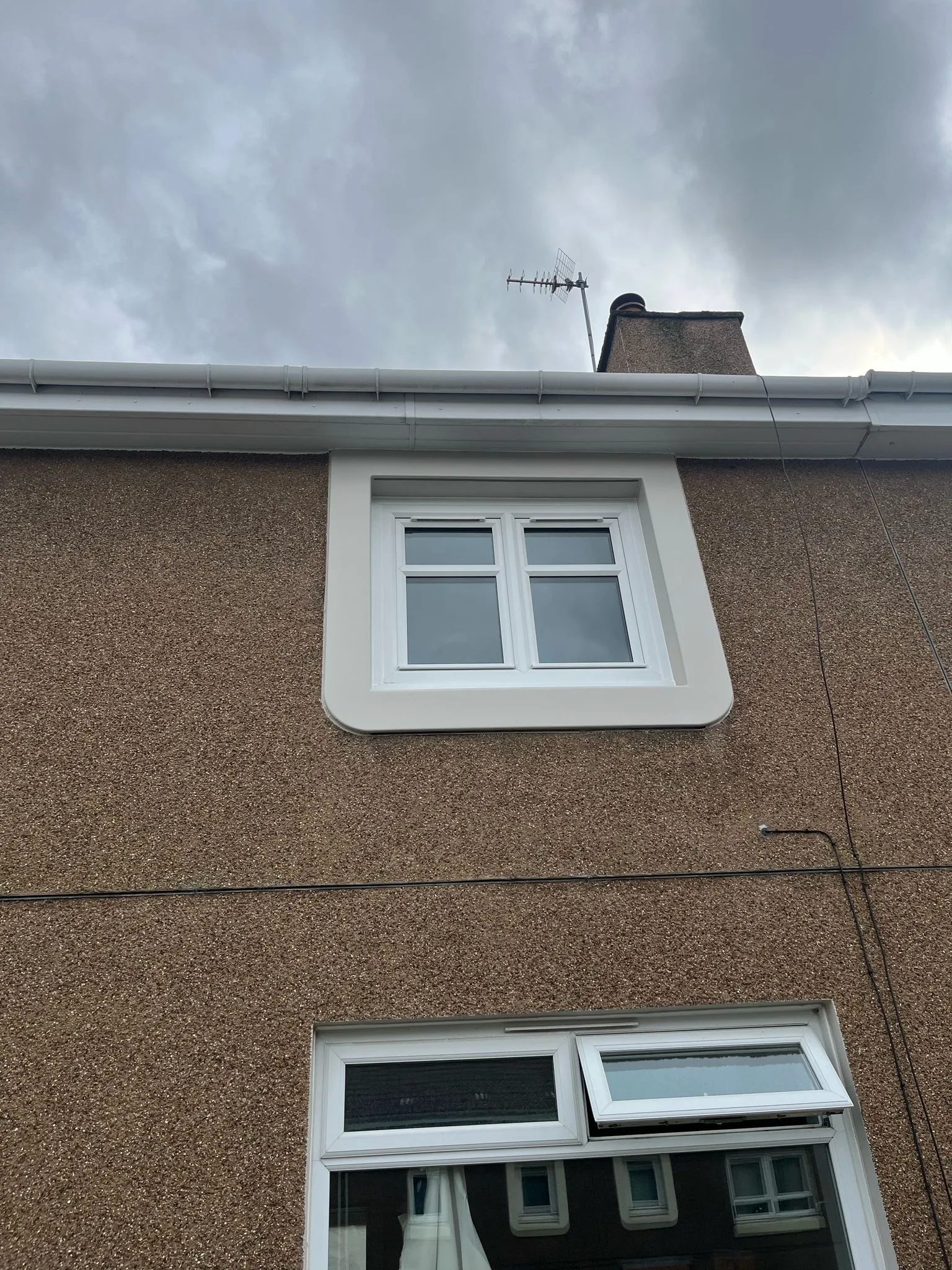
Operationally, inward opening can be convenient in a flat. Visually, it may not reproduce the proportions or movement of a traditional sash and case window. For a period elevation, compare it with a uPVC sliding sash window and consider whether a flush casement offers a more suitable external appearance.
Planning status needs checking separately. The Scottish Government’s replacement-window guidance explains how conservation-area controls can depend on the elevation and how closely the proposed window matches the existing opening method, pane layout and frame appearance. Listed building consent remains a separate matter.
Questions to Ask Before Ordering
- Can the sash turn fully without hitting furniture, blinds or fittings?
- Which sections are fixed, and which tilt and turn?
- How will the window provide the ventilation the room needs?
- Is a restrictor recommended, and how does it affect other requirements?
- Does any opening need to meet escape-window guidance?
- What energy rating or complete-window U-value is specified?
- Are planning or listed-building controls relevant?
Our tilt and turn windows page outlines the available uPVC service across Glasgow, Ayrshire, Fife, Falkirk and Stirling. A home survey is the right next step once you have checked that the inward-opening arrangement suits the room and the building.